- Tokyo : 13:07 |
- Singapore : 12:07 |
- Dubai : 08:07 |
- London : 05:07 |
- New York : 00:07 |
- Sydney : 14:07

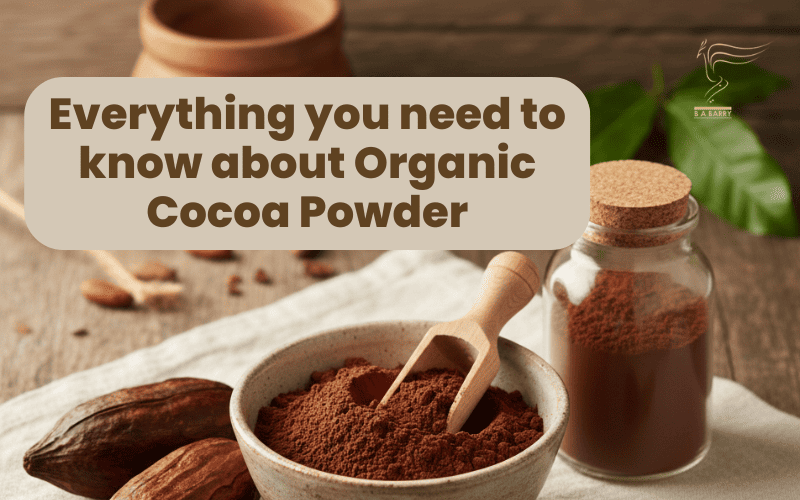
Organic cocoa powder is something that most culinary experts and wellness enthusiasts are well aware of. People use it for wellness routines as well as gourmet recipes all over the world. The rich, chocolaty flavor along with an impressive nutritional profile, make this natural ingredient much more than a mere indulgence.
Organic cocoa powder blends taste with centuries of tradition, and in this blog, we uncover all there is about this wonderful powdery delight.
This article explores everything you need to know about organic cocoa powder. It highlights its origins, making, health benefits, and more. So, keep on reading till the end.
Key Takeaways
To make organic cocoa powder, the local farmers grow cacao beans without chemical intervention.
Organic cocoa powder comes with antioxidants like flavonoids. It also comes with several trace minerals.
Theobromine in organic cocoa powder supports metabolism and heart health.
Natural organic cocoa powder is acidic. It has a lighter brown hue with a bitter flavor.
Dutch-processed powder has a dark brown hue. It also has a less bitter flavor.
Cocoa powder supports heart health and elevates your mood. It also aids digestion and gives you healthy skin.
This ingredient finds uses in baking and healthy beverages.
It also goes well with savory dishes like stews and spice rubs.
The distinct rich flavor, as well as functional benefits make it a key substance in modern culinary and healthcare applications.
Here is what this blog covers.
What is Organic Cocoa Powder?
Nutritional Profile of Organic Cocoa Powder
Types of Organic Cocoa Powder
How Do They Make Organic Cocoa Powder?
Organic Cocoa Powder: Benefits for Your Health and Fitness
Culinary Applications of Organic Cocoa Powder
Organic cocoa powder comes from cacao beans that local farmers grow without any reliance on synthetic pesticides. The production of this cocoa powder involves no genetically modified organisms (GMOs), which ensures its purity.
Organic cocoa powder is unsweetened and very low in fat. Rich in several bioactive compounds this powder is a perfect addition to your daily diet.
Key Features
It comes in a light brown hue.
Its pH is about 5-6.
It has a chocolaty flavor with bitter notes.
It contains several useful natural plant compounds.
There are no artificial additives.
Organic cocoa powder boasts an impressive nutritional profile. You can look at the table below to see what you can get from a 100-gram serving of cocoa powder.
There are two basic types of organic cocoa powder. This section looks into Dutch process vs natural cocoa powder in detail to make things clear.
This cocoa powder results from the dry-processing of roasted cocoa beans. It tends to be more acidic with a pH of about 5 to 6. This powder has a bright chocolate flavor and a light brown color. It finds uses in classic baked items like brownies and cakes.
To make this powder, you treat cocoa nibs with an alkalizing agent which neutralizes the acidity. This type of cocoa powder has a neutral pH. Dutch process cocoa powder is darker and less bitter in comparison. This cocoa powder works well with puddings and ice creams.
This next section deals with the process of making pure organic and Dutch process cocoa powder in detail. Here is a step-by-step method that goes into making this powder.
First, the local farmers harvest cocoa pods. They split open the pods to obtain cocoa beans and the sweet pulp.
Then the beans with pulp undergo fermentation for about a week. Beans turn dark and lose bitterness during this period.
The beans then dry in the sun. This reduces their moisture content by about 60% to just 6% to 7%.
The next step involves the roasting of the beans at 110–150°C. This removes acidity and enhances the flavor of cocoa.
Next up, you crack the roasted beans to remove the shell and obtain the cocoa nibs.
The nibs are ground into a thick paste known as cocoa liquor.
The liquor undergoes pressing which separates cocoa butter and the press cake or solid cocoa mass.
The press cake undergoes grinding, which gives you the bulk cocoa powder.
Dutch Process Cocoa Powder
To make this cocoa powder first you add an alkalizing agent like potassium carbonate to cocoa nibs or cocoa liquor. You can also add it to the cocoa press cake.
You can do this treatment before or after pressing the cocoa.
Then you can grind the cake to get Dutch process cocoa powder that comes with a higher pH as well as a less bitter flavor.
The following are some major health benefits of pure cocoa powder that make it a perfect addition to your daily diet.
Organic cocoa powder gives you antioxidant richness. It has flavonoids that help protect the body from damage by free radicals. This high antioxidant content reduces inflammation as well. With high antioxidants, the body becomes able to fight oxidative stress which protects cells from damage.
This ingredient stimulates endorphin and serotonin release in your brain. This helps in stress reduction and mood improvement. Theobromine is a key component of organic cocoa powder that gives you a gentle energy supply. There are no jitters if you consume cocoa powder in moderation which makes it a good coffee alternative.
Cocoa powder leads to a better blood flow to your brain. Its regular use can enhance focus as well as memory. Your coordination and cognitive performance also get a boost if you make cocoa powder a part of your daily routine.
Healthy fiber as well as polyphenols make cocoa powder perfect for people with stomach issues. These have prebiotic features that nourish beneficial gut bacteria. Cocoa powder can thus prevent gastrointestinal issues like bloating and diarrhea. It also relieves the symptoms of digestive discomfort or constipation.
Antioxidants in cocoa powder protect your body against UV damage. It also keeps your skin hydrated, which reduces the signs of aging.
The rich chocolate flavor and fine texture of cocoa powder elevate every recipe instantly. Here are some of the most common culinary uses of this ingredient.
Baking
Cocoa powder is a staple in baking, as you can use it to make a wide range of desserts. It is a key part of cakes and brownies. Other items like cookies and muffins are also incomplete without this ingredient.
Sweet But Healthy Beverages
Organic cocoa powder gives a chocolatey flavor to your healthy shakes. It allows you to enjoy chocolate as a beverage without compromising fitness.
Chocolate Sauces and Frosting
Cocoa powder works well in chocolate frostings or ganache. It imparts a rich and velvety texture in these recipes. You can also use it as a frosting for cream cakes.
Sweet Dishes
Apart from cakes and brownies you can also use organic cocoa powder to make puddings and mousses. It is also a great ingredient choice for energy balls and protein bars.
Other Savory Applications
Some additional savory applications of cocoa powder include Chili and stews. It also finds uses in mole sauces as well as spice rubs. Many everyday meals like oatmeal, yogurt, and smoothie bowls also utilize this ingredient.
Visit us at B A Barry today to order our pure, organic cocoa powder in bulk from all over the world.
Organic cocoa powder reduces oxidative stress on your body. It also increases HDL and reduces internal and external inflammation.
Organic cocoa powder gives you 3% water along with 20% protein. This powder also has about 58% carbs and plenty of minerals.
You can take cocoa powder beverages in the morning to relieve constipation. You can also take it an hour after meals to reap maximum health benefits.
Excessive consumption of cocoa powder results in faster heartbeats, and it triggers sleeplessness.
You can store it in airtight opaque glass or ceramic containers.